

Third Quarter Monetary Policy Review: Central Bank Maintains Flexible Stance Amid Excess Liquidity
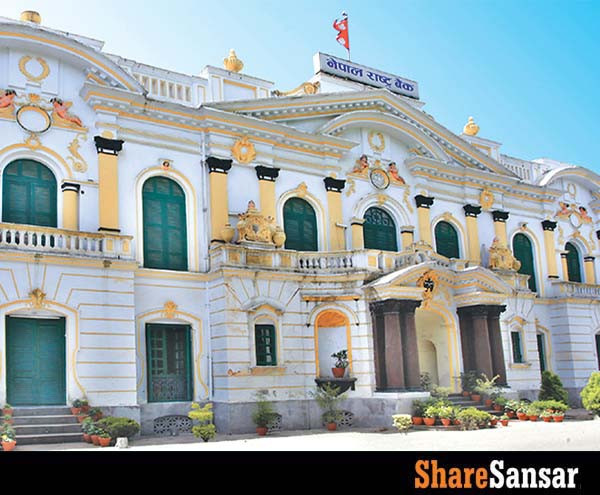
Nepal Rastra Bank has published the Third Quarterly Monetary Policy Review for Fiscal Year 2025/26. The central bank stated that Nepal’s monetary and financial sector remains stable despite continued surplus liquidity and moderate private sector credit growth.
For Macroeconomic and Financial Situation of Nine Month (3rd Quarter) of current fiscal year:
Macroeconomic Summary of First 9 Months: Inflation at 4.47%, Remittances Rises by 39.1%, Foreign Currency Enough to Cover 18.4 Months Import
Economic and Financial Outlook
The central bank has adopted the projected economic growth rate of 3.85 percent for the current fiscal year, as estimated by the National Statistics Office (NSO). According to the projection, the agriculture sector (primary sector) is expected to contribute only 1.58 percent, the lowest among all sectors, mainly due to unfavorable weather conditions and natural disasters. Meanwhile, the industrial sector (secondary sector) is projected to grow by 5.77 percent, while the service sector (tertiary sector) is expected to contribute 4.21 percent.
Nepal Rastra Bank highlighted the positive trend of increasing investment contribution to GDP. The central bank stated that sectors such as tourism, hydropower, trade, and information technology are expected to support gradual economic expansion.
However, the bank warned that global geopolitical tensions, particularly the Middle East conflict, have increased petrol prices by 35 percent and diesel prices by 58 percent in Nepal during the review period (from February 28 to May 14, 2026). Rising fuel prices are expected to create inflationary pressure in the coming months. NRB also noted that the conflict has created uncertainty in the supply chain of essential goods.
Additionally, the central bank stated that it is closely monitoring the potential impact of the Middle East conflict on Nepali migrant workers, remittance inflows, and the country’s foreign exchange reserves.
Policy Measures
The central bank appeared confident that foreign exchange reserves and inflation would remain within the targeted levels. Based on this outlook, it stated that the accommodative monetary policy stance adopted since the beginning of the current fiscal year would continue to support higher economic growth.
The bank also stated that existing arrangements related to the interest rate corridor, bank rate, mandatory cash reserve ratio, and statutory liquidity ratio would remain unchanged.
However, the central bank expressed its intention to review arrangements related to the standing deposit facility provided to banks and financial institutions to make the interest rate corridor more effective.

