


South Asia’s Economy Projected to Grow by 6.8% in 2026-27: World Bank

Thu, Nov 19, 2026 12:20 PM on Highlight News, Economy, International, National,

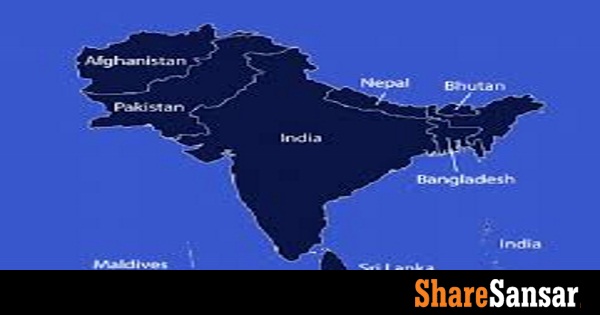
The World Bank has projected South Asia’s economy to grow by an average of 6.8 percent in 2026-27, maintaining its position as the fastest growing region among emerging market and developing economies (EMDEs). According to the World Bank Group’s South Asia Economic Update – October 2026, strong domestic demand is expected to support the region’s economic growth despite challenges from high energy prices and global economic uncertainty.
The report states that persistently high energy prices and a severe El Niño could slow economic growth in the region. It also warns that financial market instability linked to a possible slowdown in artificial intelligence (AI) investment could affect South Asia, although the region is less exposed to these risks than other developing regions.
The report highlights AI as an important opportunity for South Asia to improve productivity, expand exports and create better paying jobs. AI adoption among businesses in the region is increasing but remains behind advanced economies. Around 23 percent of Indian firms report using AI, compared to 43 percent in the United States. Growing business connections between South Asian suppliers and US customers in AI-related sectors also indicate new opportunities for regional firms.
The World Bank has emphasized the need to improve workforce skills, business conditions and physical and digital infrastructure to accelerate AI adoption. It has also identified renewable energy, tourism and agribusiness as important areas for future investment and job creation.
The report further warns that South Asia is aging rapidly, with the working age population expected to peak around 2034 and the region projected to become an aged society by 2049. It highlights the need to expand employment opportunities while strengthening pension coverage, healthcare and financial support for older people.
Key Points from the report:
- "In all major countries, remittances in 2026 have grown by more than 15 percent compared to the same period last year, with growth exceeding 30 percent in India and Nepal. Meanwhile, India’s consumer confidence remains elevated but has been falling in 2026, reaching 3-year low in July."
- "Nepal focused more narrowly on reducing public-sector fuel use, including limits on government vehicles."
- "Nepal, gross exports almost doubled in 2025 because of soybean oil exports, and have stabilized in 2026."
- "Higher energy prices and the associated increase in transportation costs have weighed on tourism across the region. Since the beginning of the conflict in the Middle East, tourist arrivals have declined by almost 13 percent in Maldives, 9 percent in Sri Lanka, and stagnated in India. Arrivals have increased in Nepal, reflecting a continued recovery following social unrest in 2025."
- "On a longer time horizon, industrial employment has been growing strongly in India, Sri Lanka, and Nepal. It now accounts for around 26 percent of employment in India and Sri Lanka and 31 percent in Nepal."
- "Nepal’s recovery from the September 2025 unrest was slowed by severe floods in August 2026. These caused devastating human and economic losses, with thousands of people killed or still missing, and damage and reconstruction needs worth billions of dollars."

