

Middle East War Triggers Global Economic Ripples as Oil Prices Surge and Energy Risks Escalate
Tue, Mar 31, 2026 11:33 AM on Latest, International,
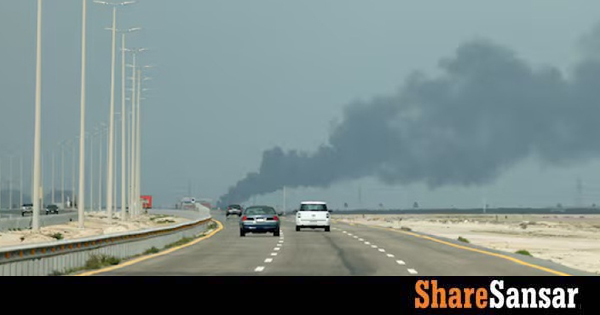
The ongoing conflict in the Middle East is sending shockwaves through the global economy, with rising oil prices, energy disruptions, and mounting fiscal pressures affecting countries worldwide.
Oil prices remain elevated above $100 per barrel despite slight declines on Tuesday, amid reports that former US President Donald Trump may consider ending the Iran conflict even if the Strait of Hormuz remains closed. However, analysts warn that any escalation, including potential US ground operations or broader Iranian retaliation, could push prices to levels last seen in 2008, nearing $150 per barrel.
Tensions intensified after Trump threatened to destroy Iran’s key oil export hub, Kharg Island, if a deal to end the conflict is not reached and the Strait of Hormuz is not reopened. The island is critical, handling about 90 percent of Iran’s crude exports. Meanwhile, Iran is considering imposing tolls on vessels passing through the Strait, further raising concerns over global oil supply disruptions.
Recent incidents have heightened fears over energy security. An alleged Iranian attack caused a fire on a Kuwaiti oil tanker at Dubai Port, though no casualties were reported. In Israel, a blaze broke out at the Haifa oil refinery after debris from intercepted missiles struck the facility. Additionally, attacks on energy infrastructure in Gulf countries have resulted in casualties and damage to key facilities.
The war is forcing governments to take urgent economic measures. Indonesia has scaled back its free school meals programme to manage budget pressures driven by soaring oil prices. Sri Lanka has raised electricity tariffs by nearly 40 percent and introduced energy-saving measures, while Bangladesh has ordered civil servants to reduce power consumption. Norway has responded by cutting fuel taxes to ease the burden on consumers.
Dubai has announced a financial support package exceeding $270 million to assist businesses and households affected by the crisis. At the same time, increased maritime risks in the Middle East have led to a surge in traffic through the Panama Canal, as shipping routes shift away from the conflict zone.
G7 finance ministers have pledged to take “all necessary measures” to stabilize energy markets and mitigate the economic fallout from the conflict.
Despite the disruptions, Iranian authorities have reported that electricity supply in parts of Tehran has been restored following earlier damage to power infrastructure.
As the conflict continues, uncertainties surrounding oil supply, global trade routes, and energy security remain high, with the potential for further economic disruptions if tensions escalate further.

