


RBI's Decision To Withdraw Rs 2,000 Notes and its Potential Implications

Sun, May 21, 2023 3:39 PM on Latest,


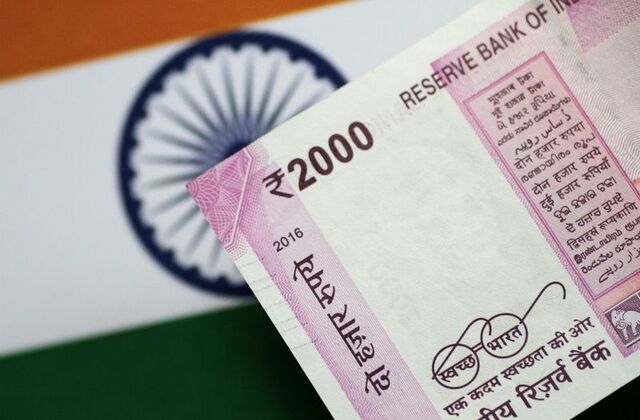
On Friday, The Reserve Bank of India (RBI) which is the central bank and regulatory body responsible for regulation of the Indian banking system, announced to withdraw the Rs 2000 denomination bank notes from circulation.
The decision has been met with much flak by major opposition honchos with some comparing the move to the disastrous November 2016 demonetization.
Meanwhile, the ruling Bharatiya Janata Party has refuted all allegations counterclaiming that the Rs 2000 bank notes will continue to be legitimate as announced by the RBI.
What does the decision entail?
On Friday, the RBI advised the public to submit Rs 2000 banknotes, which had been introduced as an alternative following the unprecedented November 2016 ban of Rs 500 and Rs 2000 bank notes.
The RBI said that the pubic can deposit these bank notes in their bank accounts or exchange them for bank notes in other denominations. However, a maximum of ten Rs 2000 bank notes can exchanged be at a time (i.e. INR 20,000).
The notes will remain legal tender but citizens have been asked to deposit or exchange these notes by September 30, 2023.
What could be the potential reason behind the decision?
The pink Rs. 2000 notes were introduced back in 2016 to restore the India economy after the sudden ban of the then Rs. 500 and Rs. 1000 notes in circulation.
The RBI has frequently made statements expressing its desire to minimize high currency notes. In fact, the printing of the Rs. 2000 notes have been stopped four years ago.
The total value of Rs 2,000 notes has fallen from 6.73 lakh crore, or 37 per cent in circulation, at its peak in March 2018 to 3.62 lakh crore in March this year. This is about 10.8% of the currency in circulation.
The RBI stated that the Rs. 2000 was being withdrawn from circulation because the note in the denomination is not being used frequently for transactions.
What could it mean for India's economy?
As the composition of the Rs. 2000 notes is only about 11% of total circulation with notes of smaller denominations available aplenty, the decision will not cause any big interruptions.
Meanwhile, in the past 6-7 years, the prospect of digital transactions and e-commerce has expanded significantly, which too is to be taken into consideration.
The decision has come at a time when the banks in India are reeling with shrinking deposits. Therefore, the decision will increase deposits in the bank. This will ease pressure in deposit rate hikes. Subsequently, liquidity in banks will also increase as all Rs. 2000 notes are expected to be returned in banks.

