

Over 182 Percent Volume in Silver Import in First Seven Months of Current FY 2082/83 Indicates Shift Away From Gold
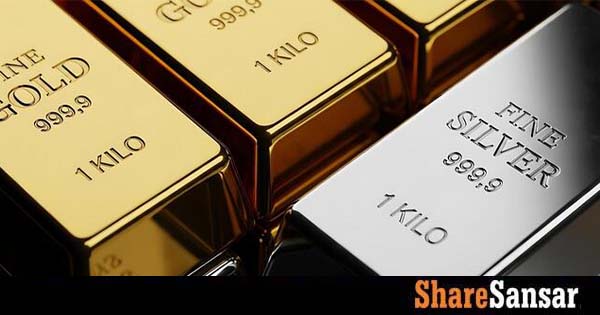
While gold has traditionally held strong preference in Nepal, its record-high prices have heavily pushed consumers and investors towards silver. A sharp volume rise in silver imports during the first seven months of the current fiscal year 2082/83 indicates silver’s strong appeal.
According to data from the Trade and Export Promotion Centre, silver import volume during the review period recorded 182.75 percent surge to stand at 82 tonnes worth Rs 24.01 billion, significantly up from 29 tonnes (Rs 4.00 billion) during the same period of the previous FY, 2081/82.
On the contrary, gold import modestly increased with 1.23 tonnes worth Rs 22.34 billion during the time, a 13.9 percent increase compared to 1.08 tonnes (Rs 12.33 billion) during the same period last year.
Despite the relatively smaller volume growth, the value of gold imports nearly doubled compared to the same correspondent period of the previous FY due to record high international gold prices touching over Rs 328,600 per tola as of today (March 3) in the Nepali market.
Revenue from gold imports so far this FY stands at Rs 2.23 billion and silver imports have generated Rs 2.40 billion in revenue.
Although Nepal’s capacity for gold imports for seven months was approximately 4.8 tonnes, only 1.23 tonnes have been imported so far, meaning a significant portion of the quota (25.6 percent) has remained unutilised.
Despite the government cutting the customs duty to 10 percent from earlier 20 percent, record high market prices acted as a natural deterrent. Consumers are opting to sell old golds rather than buying new one, leaving banks with a sizable portion of unsold gold stocks, said experts.
On the other hand, the permitted quota for silver imports (USD 2 million for industries per month and USD 400,000 for traders per month) has been utilised at maximum.
Manik Ratna Shakya, Former President of the Federation of Nepal Gold and Silver Dealers’ Association, has attributed the surge in silver demand to gold increasingly becoming unaffordable. “Consumers are shifting towards silver since gold has increasingly become unaffordable with price skyrocketing.”
He highlighted the difficulty of investing in gold, noting that gold bars or biscuits are not readily available for the general investors in Nepal.
As a result, many have to opt for jewellery, which include additional making charges of over 20%. It indicates that to earn meaningful profits, gold price must go up beyond the international market price to balance these additional charges.
“So investors and traders have shifted towards silver, which is relatively affordable and more feasible through investment purpose,” he said, adding that expectations of further price rise amid ongoing global political instability have consolidated people’s positive sentiment towards silver.
According to him, the government’s imposition of a 2 percent luxury tax on gold has also contributed to increased consumer interest in silver.
Furthermore, Shakya said with the open Nepal-India border and gold price relatively lower in India, consumers prefer purchasing gold jewellery from the Indian market.

