

Govt Urged to Stop Import of Medicines Already Produced in Nepal
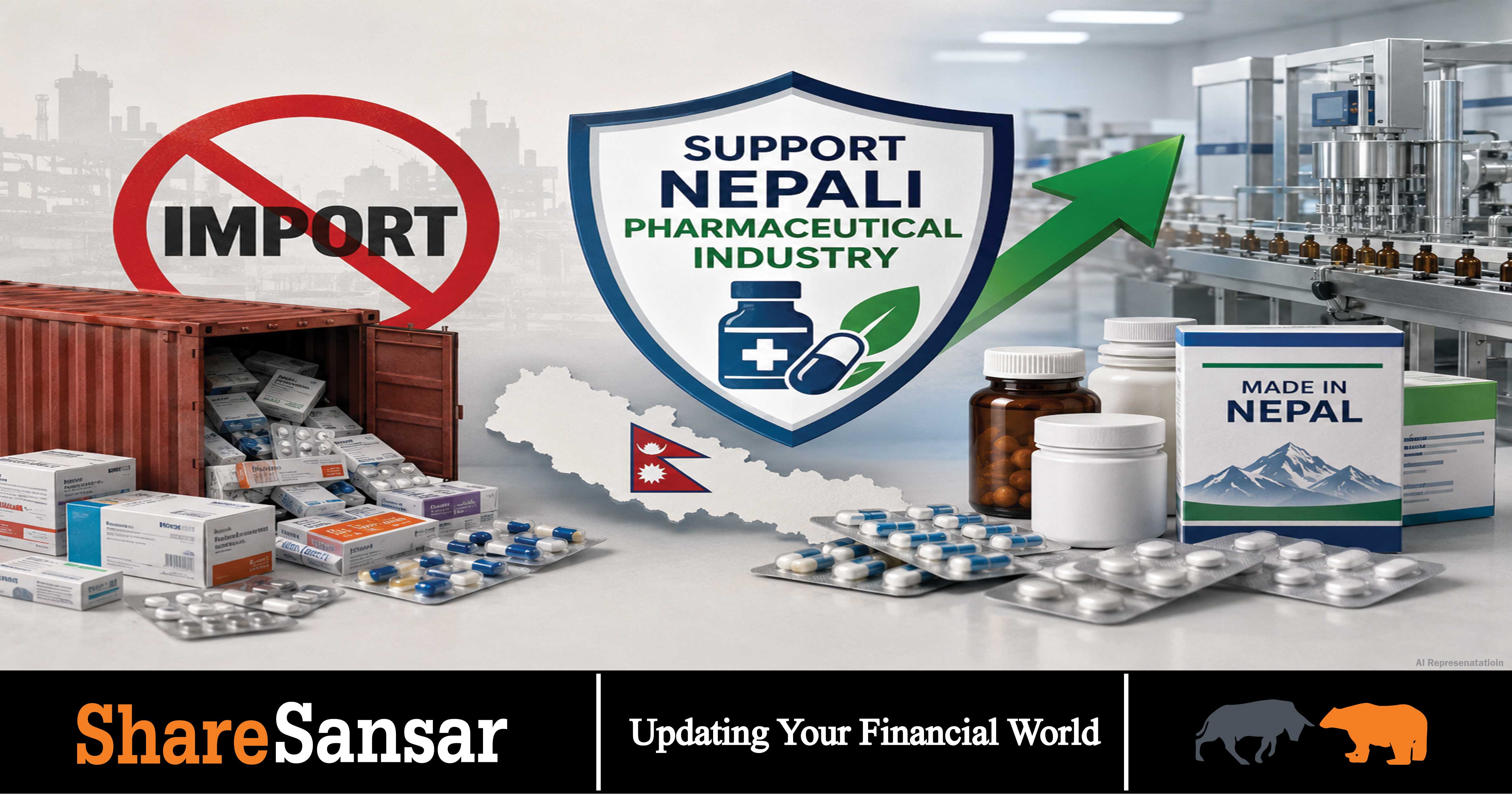
The Association of Pharmaceutical Producers of Nepal (APPON) has urged the government to stop the unnecessary import of medicines that are already being produced within the country. The association said Nepal has become self sufficient in many types of medicines and called for policies that promote domestic production and healthy competition in the local market.
APPON stated that nearly 1,000 pharmaceutical industries have been established in Nepal, but around 10 industries have already shut down while about 50 others are on the verge of closure due to growing competition from imported medicines. According to the association, most Nepali pharmaceutical industries are operating at only 30 to 40 percent of their production capacity.
Former APPON central chairman Narayan Bahadur Chhetri said Nepali industries are struggling to compete with imported medicines, especially those coming from India, where medicines are produced in large quantities at lower costs. He added that high production costs in Nepal, a smaller market, low customs duties on imported medicines, and higher taxes on packaging materials and glass imports have weakened local industries.
Chhetri stressed that the government should allow the import of raw materials instead of medicines that are already manufactured in Nepal. He also said imported medicines from around 200 foreign companies currently dominate the Nepali market.
APPON central chairman Biplav Adhikari said more than Rs 40 billion has been invested in Nepal’s pharmaceutical sector, with 50 to 60 percent coming from bank financing. However, he expressed concern that many industries are facing financial difficulties and are struggling to pay employee salaries and bank loans.
Adhikari also said a government decision made in 2074 BS to stop the import of 30 medicines produced in Nepal has not yet been implemented. He argued that restricting such imports would help domestic industries survive and increase government revenue. He also called for reforms in customs duties, VAT, licensing processes, and easier access to technology and export facilities.
According to APPON, Nepal consumes medicines worth around Rs 7 billion annually, but only about half of that market is covered by Nepali products. The association claimed that medicines produced in Nepal meet quality standards and stressed the need to protect local manufacturers from excessive foreign competition.
Vice chairman Santosh Baral also urged the government to support Nepali pharmaceutical industries through lower bank interest rates, easier import of technology, and better opportunities for exporting Nepal-made medicines.

