

Good Governance Roadmap 2082 Proposes Major Fiscal and Structural Reforms
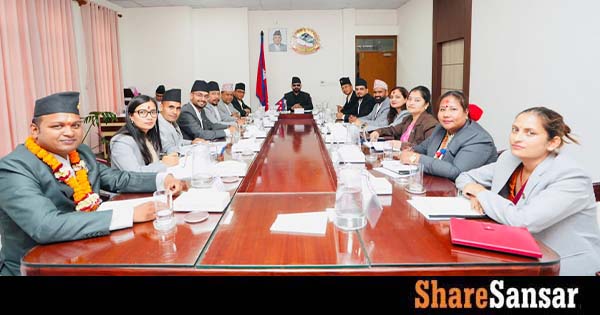
The government has unveiled the Good Governance Roadmap, 2082, outlining sweeping structural reforms in Nepal’s budgetary and revenue systems with a strong focus on transparency, accountability, and long-term policy stability.
The roadmap, made public by the Office of the Prime Minister and Council of Ministers, emphasizes the need for a just, progressive, and transparent tax system alongside a result-oriented and accountable budget framework. It highlights reforms across a wide range of areas, including fiscal transfers, capital markets, and public expenditure management.
According to the document, taxation should be based on individuals’ income and capacity, ensuring protection for low-income groups through progressive tax measures. It also stresses the importance of transparency in revenue generation and expenditure, calling for clear public disclosure on how funds are collected and utilized.
The government has proposed a fully digital and hassle-free tax administration system. From submission to filing and payment, taxpayers are expected to benefit from streamlined processes that eliminate the need for physical queues. The roadmap also calls for stable tax rates and policies, along with fair and equal implementation of tax laws.
In a bid to curb corruption, the document underscores the need to eliminate bribery and collusion through strengthened internal controls and enhanced digital tracking mechanisms. A service-oriented tax administration is also proposed to address taxpayer grievances effectively and eliminate unfair penalties.
The roadmap further identifies the issue of dual taxation arising from poor coordination among federal, provincial, and local governments. It calls for clear demarcation of authority to prevent overlaps and ensure efficiency.
On the budgetary front, the document stresses transparency in budget formulation, allocation, and expenditure. It advocates for increased investment in priority sectors such as education, healthcare, employment, and infrastructure development. The roadmap also warns against undue influence in budget allocation, stating that public resources should not be controlled by a limited group of powerful individuals.
Additionally, the government aims to make budget spending more outcome-driven by incorporating citizen feedback into the planning process. It emphasizes that budget preparation should reflect public needs rather than the interests of high-level officials.
The roadmap also proposes transforming intergovernmental fiscal transfers into strategic tools to reduce inequality, rather than merely serving as resource distribution mechanisms.
To modernize the tax system, the document calls for the full implementation of digital tools such as e-registration, e-filing, e-payment, and e-invoicing. It also suggests leveraging artificial intelligence to combat tax evasion and introducing faceless audits to minimize direct contact between taxpayers and officials.
Furthermore, the roadmap highlights the need for restructuring and improving the management of underperforming public enterprises. In customs administration, it recommends a fully digital, paperless, and faceless system to enhance efficiency and transparency.
The Good Governance Roadmap 2082 is expected to serve as a guiding framework for strengthening Nepal’s fiscal discipline, promoting transparency, and ensuring inclusive economic growth.

