

Former Finance Minister Khanal Calls for Major Policy Reforms to Revive Nepal's MSMEs
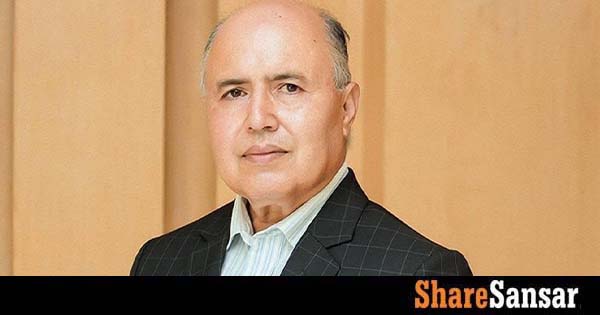
Former Finance Minister Rameshore Khanal has stressed the need for sweeping reforms in insurance, lending, and policy frameworks to revive Nepal's micro, small, and medium enterprises (MSMEs), many of which continue to struggle in the aftermath of the COVID-19 pandemic.
Speaking at a policy discussion programme organized by the Society of Economic Journalists Nepal (SEJON), the Nepal Insurance Authority, and the United Nations Development Programme (UNDP) during the release of the study report Risk Management in Nepal's MSMEs, Khanal said comprehensive policy reforms are essential to safeguard and promote businesses facing ongoing economic challenges.
He noted that while MSMEs are a vital pillar of Nepal's economy, the sector has weakened due to inadequate risk management mechanisms and limited access to finance.
Khanal also proposed innovative changes to agricultural insurance schemes, suggesting that the government should initially bear 100 percent of insurance premiums for low-income farmers and recover their contribution only after compensation is paid. He argued that despite the government's subsidy of up to 75 percent on insurance premiums, many farmers have been unable to fully benefit from the programme.
Referring to the newly released report, Khanal said only around 10 percent of Nepal's nearly 900,000 MSMEs have insurance coverage, leaving the remaining 90 percent exposed to various risks. He added that although sectors such as tourism and construction are gradually recovering from the pandemic, MSMEs remain under severe financial pressure, contributing to rising bad loans and growing non-performing assets in banks and financial institutions.
On the occasion, Kalpana Shrestha, Joint Secretary at the Ministry of Industry, Commerce and Supplies, emphasized the need to expand insurance coverage by integrating government programmes designed to support MSMEs.
She said that nearly half of Nepal's approximately 923,000 MSMEs operate in the informal sector and remain outside the insurance system, limiting overall insurance penetration to around 10 percent. To address this gap, she highlighted government initiatives such as startup loans, MEDPA programmes, production-based incentives, and the National Enterprise Facility aimed at promoting entrepreneurship.
Kyoko Yokosuka, Resident Representative of UNDP Nepal, said MSMEs form the backbone of Nepal's economy but are among the most vulnerable to growing climate and economic risks.
She noted that through its Insurance and Risk Finance Facility, UNDP is working with 39 countries, including Nepal, to strengthen financial resilience against climate- and disaster-related risks, reaffirming the organization's commitment to expanding affordable and appropriate insurance solutions for MSMEs.
Meanwhile, Sushildev Subedi, Executive Director of the Nepal Insurance Authority, said Nepal's insurance system must become more inclusive, modern, and effective to better protect MSMEs from emerging risks.
He added that MSMEs are particularly vulnerable to natural disasters, climate change, financial shocks, cyber threats, and public health emergencies, making effective risk management essential for their long-term sustainability.

