

Diplomatic Breakthrough: US and Iran Reach Peace Deal
Mon, Jun 15, 2026 8:48 AM on International, Latest,
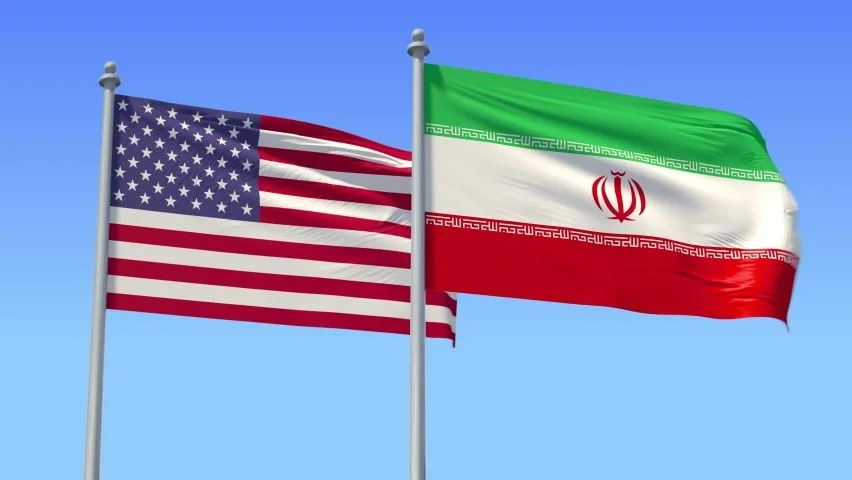
The United States and Iran have reached a peace agreement through Pakistani mediation, with a formal signing ceremony scheduled in Switzerland on June 19.
Pakistan's Prime Minister Shehbaz Sharif announced that both countries have agreed to an immediate and permanent ceasefire, signaling an end to more than three months of conflict in the Middle East.
US President Donald Trump confirmed the agreement and announced that the Strait of Hormuz would be fully reopened to maritime traffic, while the US naval blockade would be lifted immediately.
Iran also welcomed the deal, stating that it marks the immediate end of hostilities between the two countries. Iranian Deputy Foreign Minister Kazem Gharibabadi said the agreement includes a permanent cessation of military operations on all fronts, including Lebanon.
The agreement has received broad international support. Japanese Prime Minister Sanae Takaichi described it as an important step toward a broader settlement, while German Chancellor Friedrich Merz said it could contribute to greater stability in the Middle East and support global economic recovery. New Zealand Foreign Minister Winston Peters also welcomed the deal and expressed hope for its swift implementation.
Economic Implications
The conflict disrupted global supply chains and intensified inflationary pressures worldwide. Rising transportation and fuel costs increased operating expenses across multiple sectors, contributing to higher prices for goods and services. Industries that rely heavily on petroleum-based inputs, including pharmaceuticals, chemicals, and manufacturing, were particularly affected.
The conflict also created uncertainty in South Asia's migration-dependent labor market. Millions of workers from the region are employed in Gulf and Middle Eastern countries, making regional stability crucial for employment opportunities and remittance flows. In addition, international tourism was affected, as many travelers from developed and Western economies transit through the Middle East when traveling by air.
Peace and stability are fundamental prerequisites for economic growth and prosperity. This peace initiative is expected to restore confidence, support trade and investment, strengthen labor markets, and provide positive momentum for both regional and global economic growth.

