

Capital Spending Slumps to 23.58% in Nine Months Despite Overall Budget Utilization at 53.97%
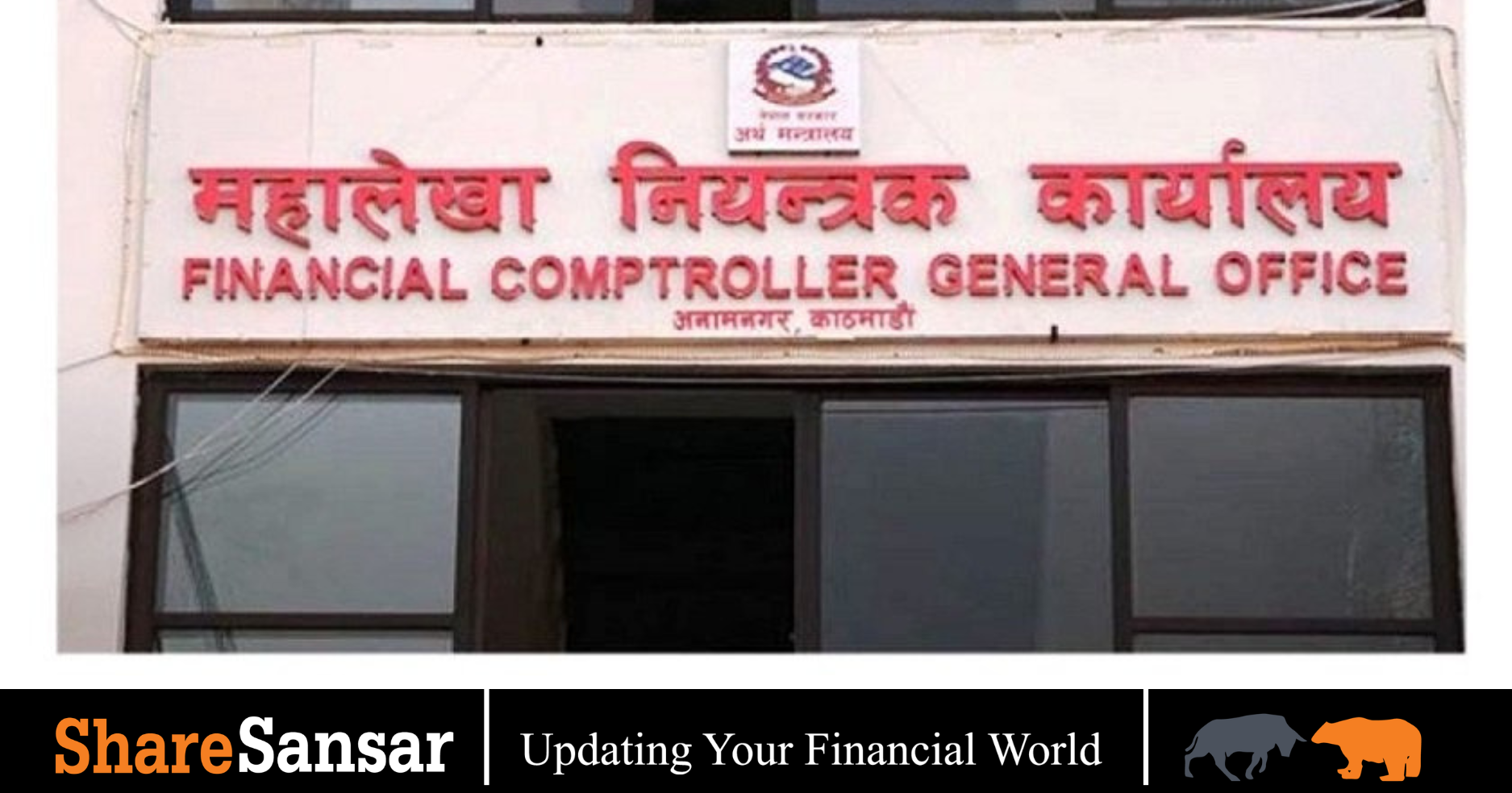
Nepal’s capital expenditure has remained significantly low during the first nine months of the current fiscal year, raising concerns over the pace of development activities. According to data released by the Office of the Financial Comptroller General, the government’s capital spending performance as of the end of Chaitra appears disappointing.
Out of the total allocated capital budget of Rs 4 Kharba 7 Arba 88 Crores 80 Lakhs, the government has spent only Rs 96 Arba 19 Crores by Chaitra 30. This accounts for just 23.58 percent of the total allocation, indicating a sluggish implementation of development projects.
The current spending rate marks a notable decline compared to the previous fiscal year 2081/82, when capital expenditure had reached 32.24 percent during the same period. The drop to 23.58 percent this year highlights a worsening trend in development spending, suggesting delays in project execution and budget utilization.
In contrast, recurrent expenditure, covering administrative and regular operational costs, has remained relatively high. By the end of Chaitra, the government had spent Rs 7 Kharba 47 Arba 52 Crores 44 Lakhs under the recurrent heading, which represents 63.3 percent of the allocated budget. This indicates a continued imbalance between development and operational spending.
On the revenue front, the government has achieved nearly 60 percent of its annual target. Of the total revenue target of Rs 14 Kharba 80 Arba, it has collected Rs 8 Kharba 86 Arba 28 Crores 36 Lakhs so far, amounting to 59.88 percent. Out of this, Rs 7 Kharba 98 Arba 77 Crores has been generated from tax revenue alone, reflecting steady performance in revenue mobilization.
Overall, the government has utilized Rs 10 Kharba 59 Arba 95 Crores 72 Lakhs of the total budget, which stands at 53.97 percent of the annual allocation. Meanwhile, expenditure under the financial management category has reached 57.63 percent of its target.
Despite moderate progress in overall spending and revenue collection, the persistently low capital expenditure remains a key concern, potentially affecting infrastructure development and economic growth in the long term.

