

NRB Report Shows 4.74% Growth in Nepal’s Real Estate Transactions in FY 2082/83
Tue, Sep 15, 2026 4:24 PM on Highlight News, Economy, National,
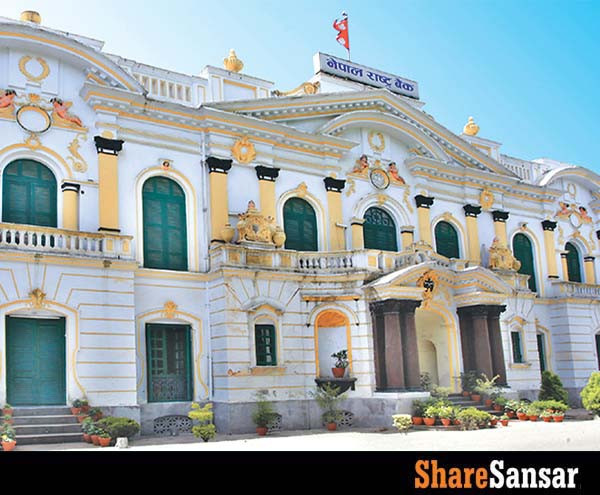
Nepal Rastra Bank (NRB) has revealed that Nepal’s overall real estate transactions increased by 4.74% in FY 2082/83 compared to the previous fiscal year.
The report, prepared by NRB’s Economic Research Department under its Price Division, examines trends in land and property transactions based on registration data for the fourth quarter of FY 2082/83.
Real estate activity gained stronger momentum in the fourth quarter of FY 2082/83. The total number of transactions increased by 12.25% year-on-year, compared to a 14.65% growth recorded in the corresponding quarter of the previous fiscal year.
The number of registered deed transactions rose by 12.28%, while Raji nama transactions increased by 22.88% during the review quarter. In comparison, Raji nama transactions had grown by only 8.15% in the fourth quarter of the previous fiscal year.
The total area involved in real estate transactions also expanded significantly, registering 15.41% growth in the fourth quarter. This contrasts with a 2.98% decline recorded in the same quarter of the previous fiscal year.
The value of real estate transactions saw a substantial increase during FY 2082/83. According to NRB, the total value of real estate transactions reached Rs. 720.86 billion in FY 2082/83, compared to Rs. 386.15 billion in FY 2081/82.
Quarterly turnover also surged. The total transaction value in the fourth quarter of FY 2082/83 stood at Rs. 275.73 billion, more than double the Rs. 127.61 billion recorded in the corresponding quarter of FY 2081/82.
The sharp rise in transaction value indicates stronger activity in the property market despite the relatively moderate growth in the number of transactions.
The increase in real estate activity was also reflected in government revenue generated from property transactions. NRB reported that real estate-related revenue increased by 48.26% in the fourth quarter of FY 2082/83. The corresponding figure had increased by 23.45% in the same quarter of the previous fiscal year.
Similarly, capital gains tax collection increased by 63.22% during the review quarter, compared to a 29.98% increase recorded a year earlier. The stronger growth in transaction value and tax collection suggests that the increase in property market activity was accompanied by higher-value transactions.
Among the seven provinces, Bagmati Province recorded the highest growth in Raji nama transactions, with the number increasing by 69.38% in the fourth quarter of FY 2082/83.
Madhesh Province was the only province to record a decline, with Raji nama transactions falling by 3.44%, while the remaining provinces posted growth.
Bagmati also recorded the highest increase in total transaction area, which expanded by 50.24%. In contrast, Madhesh saw a 6.19% decline in transaction area.
The value of real estate transactions increased across all seven provinces. Bagmati recorded the highest growth at 175.33%, while Madhesh posted the lowest increase at 31.98%.
The NRB report shows that properties measuring between 2.5 and 10 anna accounted for the highest number of transactions across all seven provinces during the review period.
This represents a shift from the pattern observed in the fourth quarter of FY 2081/82, when Madhesh Province recorded the highest number of transactions involving plots larger than 20 anna, while the other provinces were dominated by transactions involving 2.5–10 anna plots.
Real estate transactions increased substantially across the country’s metropolitan cities. Kathmandu Metropolitan City recorded the highest growth, with transactions increasing by 155.74%. It was followed by Lalitpur Metropolitan City at 136.92%, Pokhara at 108.71%, Bharatpur at 63.04%, Biratnagar at 47.59%, and Birgunj at 29.19%.
Transaction areas increased in all six metropolitan cities, with Kathmandu recording the highest growth of 208.22% and Birgunj the lowest at 13.31%. Transaction values also rose across all metropolitan cities, with Kathmandu posting the highest growth at 217.40%.
Real estate activity also strengthened across Nepal’s sub-metropolitan cities. All sub-metropolitan cities except Kalaiya recorded growth in transaction numbers. Dhangadhi Sub-Metropolitan City registered the highest increase in transaction volume at 73.16%, while Kalaiya remained largely stable.
The total area involved in transactions increased across all sub-metropolitan cities, with Hetauda recording the highest growth at 104.16%. Similarly, transaction values increased in all 11 sub-metropolitan cities. Hetauda recorded the highest increase, with the total value of transactions rising by 186.80%.
The increase in property-market activity coincided with continued expansion in bank lending to the sector. NRB reported that credit extended by banks and financial institutions to real estate, including residential real estate, increased by 6.93% during the review period. Such credit had grown by 5.86% in the corresponding quarter of the previous fiscal year.
Overall, the NRB report points to a notable recovery in Nepal’s real estate market during FY 2082/83, marked by higher transaction volumes, expanding transaction areas, a sharp rise in transaction values, and increased government revenue from property-related activities.

