


Nepal's Economy to Grow 3.85% This Fiscal Year, GDP to Cross Rs 6.6 Trillion


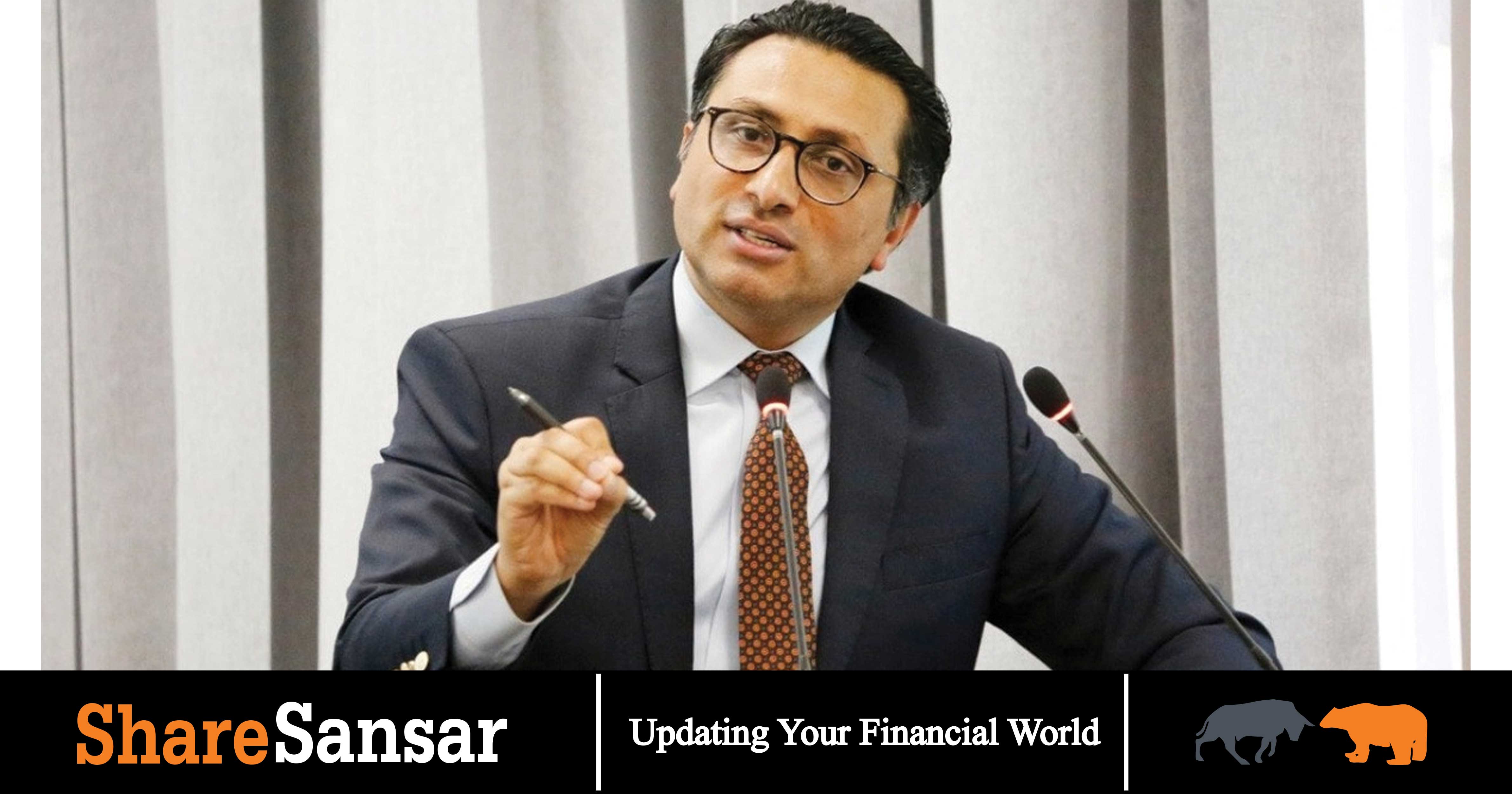
Nepal's economy is projected to grow at 3.85 percent in the current fiscal year 2082/83, down from 4.43 percent recorded in the previous fiscal year, according to the Economic Survey presented by Finance Minister Dr. Swarnim Wagle at the House of Representatives on Wednesday. The total Gross Domestic Product (GDP) is estimated to reach Rs 66 trillion 9 billion (Rs 6,609 arba) this fiscal year.
The survey projects that all provinces except Bagmati and Gandaki will record economic growth below the national average. Agriculture's share in GDP stands at 24 percent while the non-agriculture sector accounts for 76 percent. Consistent with the trend of the past decade, the contribution of agriculture to GDP continues to decline while that of the services sector continues to rise.
The growth rate of the agriculture sector is estimated at 1.58 percent this year, a sharp decline from 3.05 percent last year. The non-agriculture sector is projected to grow at 4.54 percent, slightly higher than last year's 4.12 percent.
Consumption continues to dominate the economy, with its share in GDP estimated at 90.3 percent in the current fiscal year. Of total consumption, the private sector accounts for 91.26 percent, the government sector for 6.62 percent, and the non-governmental sector for 2.12 percent. Per capita income is projected to reach USD 1,535.
On the social front, absolute poverty has declined to 20.27 percent and multidimensional poverty to 17.4 percent. Nepal's average life expectancy has reached 71.3 years, and the number of social security allowance recipients stands at 3.641 million, of whom 46.14 percent are senior citizens aged 70 and above. Irrigation facilities now cover 44.6 percent of cultivable land and 62.6 percent of irrigable land.
Finance Minister Wagle cautioned that ongoing conflicts in West Asia, rising global commodity prices, and supply chain disruptions were creating additional challenges for maintaining monetary policy stability. He stressed the need to accelerate structural reforms as rising petroleum prices were making imports increasingly costly.

